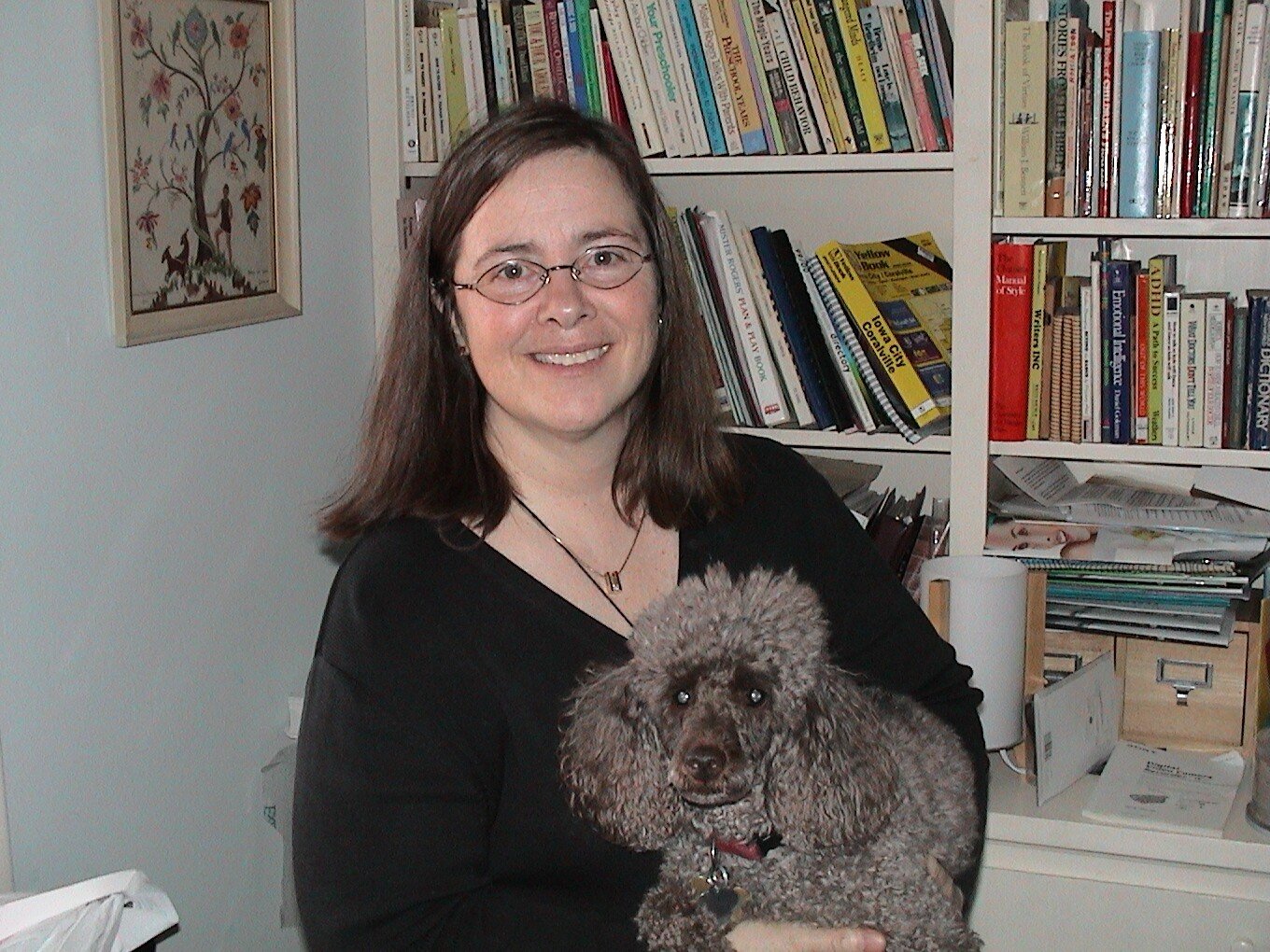
As a teacher and facilitator of the Cooperative Homeschool Pod, Carol Spangler has a proven record as an educator. She is a state-licensed teacher of Elementary and Early Childhood Education, and the former owner and operator of Treebrook Preschool from 1983 – 2012. Her experience includes being a former kindergarten teacher and tutor for various grades. She is also the author of The Sharing Circle: Themes for Home and School Involvement, published by Fearon, a division of Simon & Schuster, as well as being published in the NAEYC journal, Young Children. Classical education includes math, reading, phonics, language arts. History and Science will be taught in a sequential manner. The Story of the World begins with Ancient Times. The first year of science begins with astronomy and the big bang!
Professor Steven Spangler (Univ. of Iowa, Astronomy & Physics) will help with the family star parties and observatory visits.
Our Academics
We will learn about the universe and our place in it. The students’ experiences and perspectives are broadened every day through our enrichment activities. Thus, students gain confidence and become independent thinkers.
Lorem ipsum avail but the major have suffer in some form.
Age: 2-3 years
Lorem ipsum avail but the major have suffer in some form.
Why Choose TREEBROOK ELEMENTARY MICROSCHOOL
For elementary children, ages 6 to 11, we meet five days a week from 12:30 to 5:30 p.m. throughout the school year. It is recommended that students dual enroll with the Iowa City Homeschool Assistance Program where they can access services or have opportunities to take a class in the morning and be eligible for field trips that the school system offers. We aim to be a close knit community of learners, where children can work at their own pace, sometimes individually, with a partner or a small group. Enrollment is limited to twelve students.
Join us
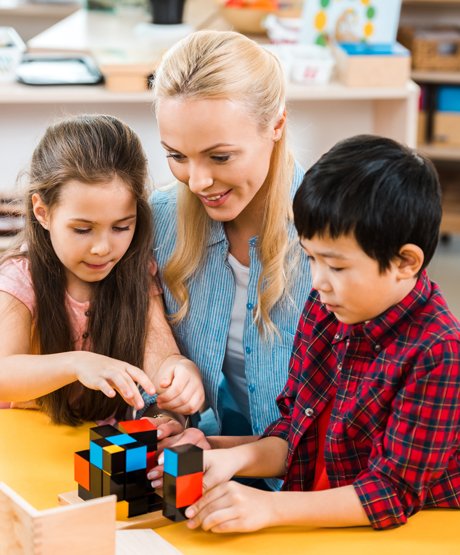
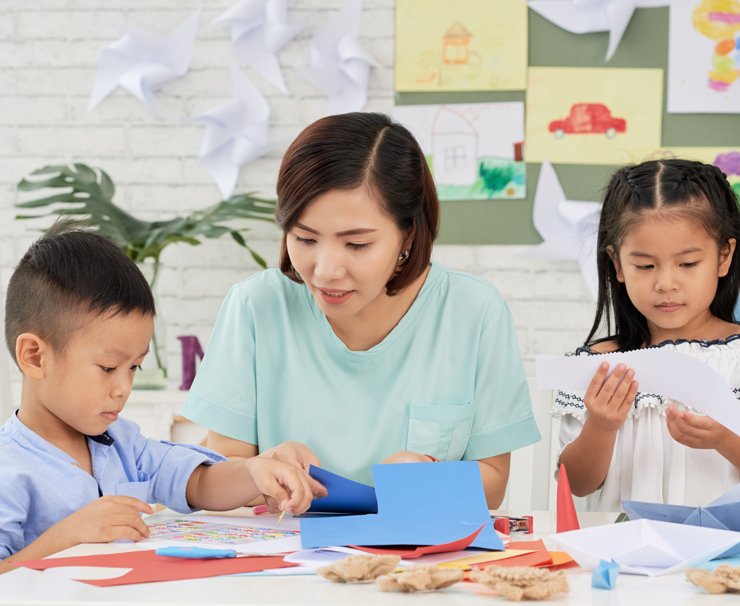
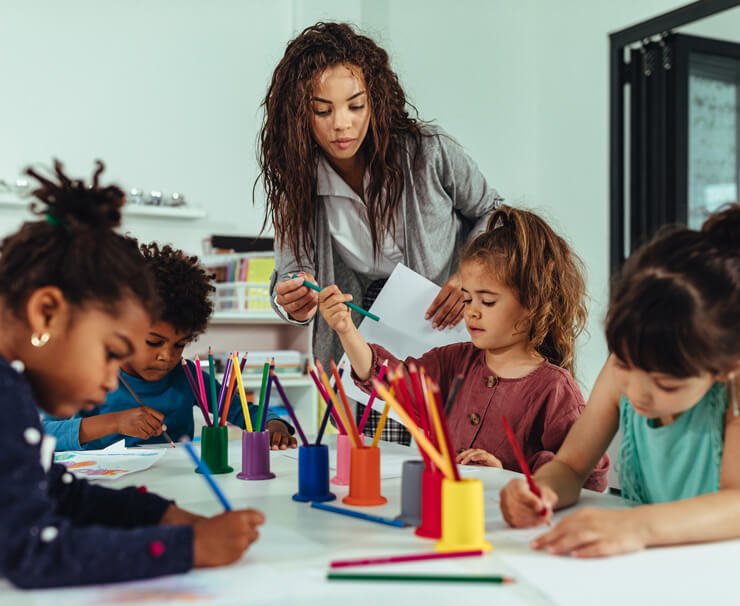
Carol and her students appreciate the coziness of our small group setting, designed to help them learn together, make friends and have fun.
We give students an educational approach to learning that uses science, technology, engineering, the arts and mathematics as access points for guiding student inquiry, dialogue and critical thinking.
We hope that astronomy will become a family hobby! Families are invited to attend our backyard star parties and come to the Saturday once-a-month public nights at Cedar Amateur Astronomers Observatory in the fall and spring. On clear, dark nights we observe planets, stars, and galaxies.
We have a passion for teaching. Besides being a university professor, Steve is asked to present public astronomy talks, all the way from Daisy Scouts to Senior College. Carol has a University of Iowa degree in Elementary and Early Childhood Education, with a specialization in teaching Reading.
Home Schooling
It is not right for all students or all families, but there are advantages when the circumstances are right. Dual enrollment is also an option where students attend school part-time, or for certain classes, programs and support. There is more time available for students to pursue their own passion, read and be active.
Bullying is very widespread in schools. One in three elementary students report being bullied frequently, including physically.
Martha
Mother of two kids
Jessica Brown
Mother of two kids
What We’re Offering
Materials used are Cuisenaire Rods, Base Ten Blocks, Place Value Activities, and Montessori Equipment with Problem Sets: Abacuses, Hundred Board, Checkerboards, Multiplication Boards, Pythagoras board, Stamp Game, Bank Game, Binomial and Trinomial Cubes, etc. To help understand and imagine large numbers we will read David M. Schwartz and Steven Kellogg’s books, How Much is a Million? and Millions to Measure. We will watch the classic film, Powers of Ten. When models of the planets are made to scale, and we learn that 1.3 million Earths could fit inside the Sun, it will make an impression that students can grasp. We will also walk the Court Hill trail with planet signs and their relative distance to each other.
The children will write daily in their science journal. The legends of the constellations will be told; the children will listen to Holst’s, The Planets; drama skits will be performed for each other such as impersonating Sally Ride in an elementary classroom visit; children will listen to the novel series by Lucy and Stephen Hawking, beginning with George’s Secret Key to the Universe. Students will read and research from numerous books in our library about astronomy and space science and then make presentations.
Astronomy; Space Science; Physics principles, such as gravity, visible and invisible light waves in the electromagnetic spectrum, atoms and nucleosynthesis, table of elements, forms of matter, the speed of light, our expanding universe starting with the Big Bang, the creation of our Solar System, the Milky Way galaxy, life cycle of stars, black holes; Astronomy Lab for Kids. The breadth and depth of these topics will be determined by the students’ interest. The topics will be introduced by watching one or two very short YouTube videos at home before daily meetings. We also have Elementary Science Study manipulatives such as Pattern Blocks, Geo Blocks, Mirror Cards, Tangrams, Attribute Games and Problems. We will visit a nearby observatory in the fall and spring and have backyard star parties.
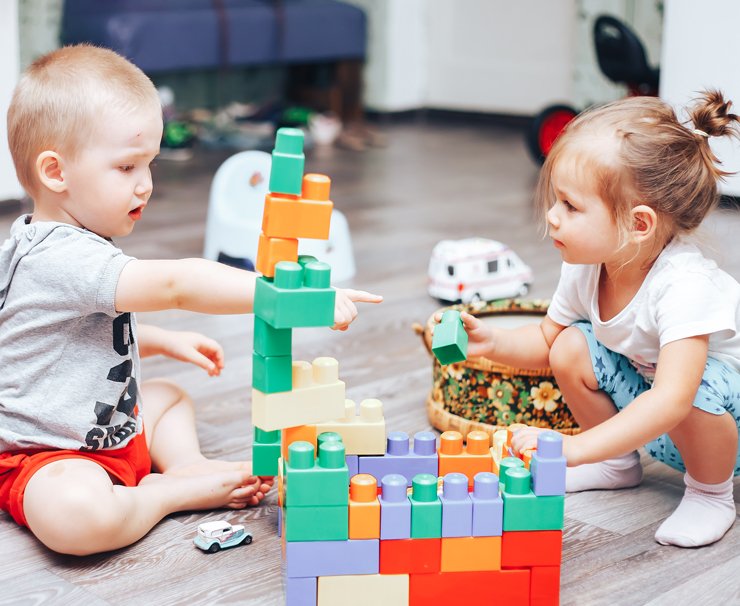
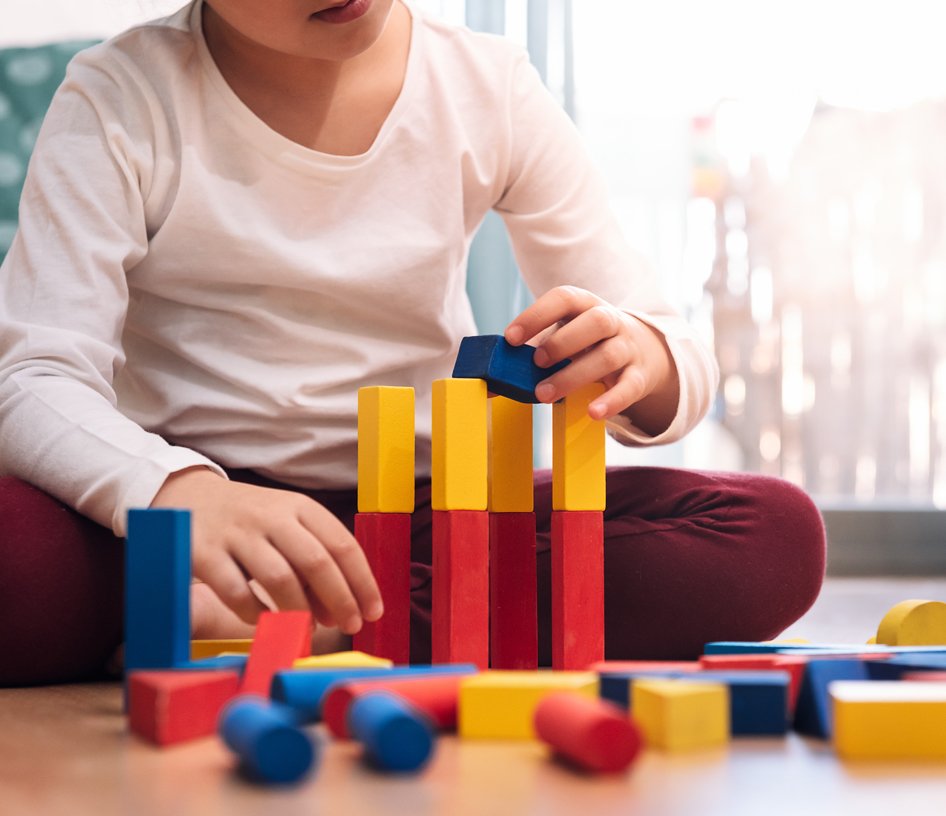
We will each design an egg protector using available materials for our Egg Drop Challenge event. “Solar ovens” will be designed. In addition, students will have building sets available, such as Legos, Kapla blocks, a Zoob set and Widgets. They will design the highest Marble Run structure. Toothpick and gumdrop structures will be made, noting what shapes have the greatest strength. We have Lego sets of Lunar Roving Vehicle and Mars Research Shuttle and a Ravensburger 3D puzzle of the Saturn V rocket that took our astronauts to the Moon.
Thursday afternoons will be mostly dedicated to learning to use our classroom set of Edison robots that are compatible with Legos. We will learn the programming language EdBlocks, EdScratch and EdPy. We will use our robots with space related learning mats. We will also make a Music Space Jam with coding.
We will have extended time in our Outdoor Classroom, and in our large garden dome, furnished with tables and active learning stools.
Our program aims to be a small, friendly community of learners. We emphasize respect– i.e., respect for oneself, respect for others, including parents, teachers, and others with differences. Respect for property is also very important. This emphasis will be discussed from the beginning of the school year with reminders as needed. No name calling, teasing or bullying is allowed. If a child is made to feel ‘less’ by actions from others, we address it privately or if necessary, in a group meeting. We urge parents to ask their child, “Who did you help today?” rather than “What did you do today?” Parent/teacher communication is very important. We will incorporate cooperative activities and games to help all children be part of a team. We encourage collaborative learning with our hexagonal tables and Active Learning stools.
We will learn about the astronomy “greats” Nicolaus Copernicus, Galileo Galilei and Albert Einstein. In addition, we will read picture books about trailblazing women astronomers — Henrietta Swan Leavitt (American, 1868 – 1921), Williamina Fleming (Scottish, 1857 – 1911), Cecilia Payne (English, 1900 – 1979), Maria Mitchell (American, 1818 – 1889) and Caroline Herschel (German, 1750 – 1848) and Annie Jump Cannon (American 1863 – 1941). We will discover the wide range of careers open to those in astronomy and space science. Students will learn about the problem of light pollution and have a public awareness campaign, write to the Iowa Department of Natural Resources to place signs in the Iowa State Parks about light pollution, to reserve a designated dark area in the park for stargazers, and having light fixtures with hoods. Our astronomy motto is “Look up!”
About Curriculum
When the weather permits, we will use our Outdoor Classroom, designed by Abundant Playscapes (Tony Malkusak) and Backyard Abundance (Fred Meyer) in 2010. The 2024 addition is a 15’ diameter clear dome, made of polycarbonate that blocks ultraviolet radiation and has two ventilation panels and insulated base. It is equipped with two hexagonal tables and Active Learning stools, designed for collaboration. New plantings and groundcover are currently needed in our backyard; therefore, it is a work in progress. We have a vegetable garden, berry bushes and fruit trees.
Teachers